Student Debt Options

Bankruptcy cases do not often include student debt because of the extra filings needed and the rate at which they are discharged. According to Tara Siegel Bernard for the New York Times, a new, more streamlined process for bankruptcy is making it easier to claim student debt and actually have it forgiven. Many jurisdictions utilize the Brunner test for those claiming student debt and the new approach to filing makes it easier to pass that test:

Can you currently maintain the loans and maintain a minimal standard of living?
Is your situation likely to persist for a significant portion of the repayment period?
Have you made a good faith effort to repay the loans?

By satisfying this test, borrower’s cases may be reviewed by the Justice Department and recommendations of discharge made to a bankruptcy judge.

Read More Here: More Student Loan Borrowers Are Shedding Debts in Bankruptcy

Donation Subsidies

Should those who make more money be given a larger tax deduction on their charitable gifts? Binyamin Applebaum for the New York Times thinks not and shares his reasoning and ways to improve the philanthropic system in the United States in his article, The Really Unfair Thing About the Met Gala. Applebaum points to the subsidies that are assigned to financial gifts by the US government based on the organization and the giver. Those in higher tax brackets receive a much larger tax break and tend to focus their giving on cultural sites and universities.

But why should federal tax policy privilege the preservation of old dresses or the construction of new dormitories at Harvard over the needs of parent-teacher associations or community groups that depend on the support of residents in less affluent neighborhoods?

Applebaum goes on to suggest ways that the US system could be balanced through a matching gift system or by emulating Britain’s Gift Aid Program or Canada’s tax credit for donors.

Paying in Cash?

How would you feel if your service employees asked to be paid in cash? Would you suspect that they were trying to shave a little off of their taxes? Is it your job to “police” the people you employee for various jobs around your home? Many couples face this dilemma and may not be in agreement with each other. The Ethicist addresses this question and details why it is best to report all income when filing taxes, in his April 9, 2025 response, Our Gardener Wants to Avoid Taxes. Should We Pay Him in Cash?

Commission Rules Have Changed

If you are entering the market for a home, some rules about realtor commissions have changed. Now sellers and buyers will both be responsible for these payments after the decision in a case brought against the National Association of Realtors. They will no longer be able to mandate the seller’s agent make an offer of monies to the buyer’s agent, or set any kind of industrywide standard commissions. Debra Kamin for the New York Times offers best practices for buyers and sellers as these new rules come into play. Buying or Selling a Home? The Rules Have Changed.

Do You Still Use Paper Checks?

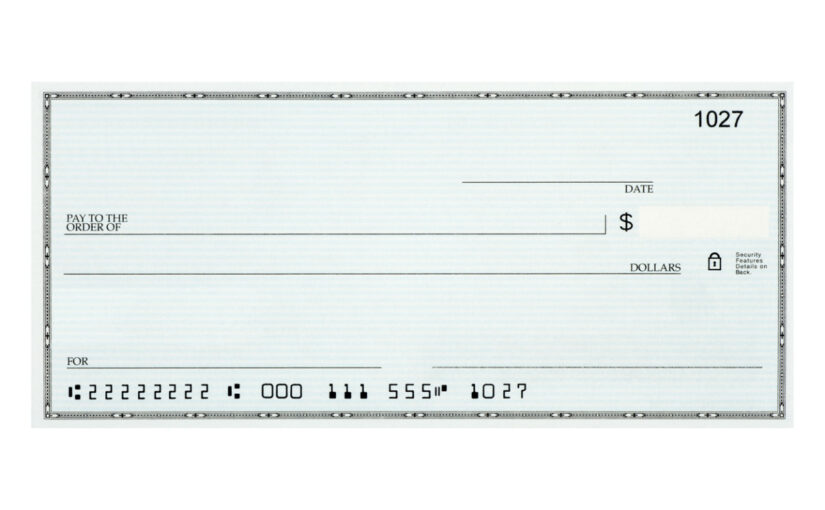
When was the last time you wrote a check? Paper checks may seem like a dated form of payment and can cost companies up to $1 to process, but there are still merchants and organizations who receive almost a quarter of their money via check. Ron Lieber for the New York Times explores our cultural relationship with checks and why they will most likely be around for some time to come in, Why Paper Checks Refuse to Die, click to read more.

Tax Return Questions? We’ve Got Answers!

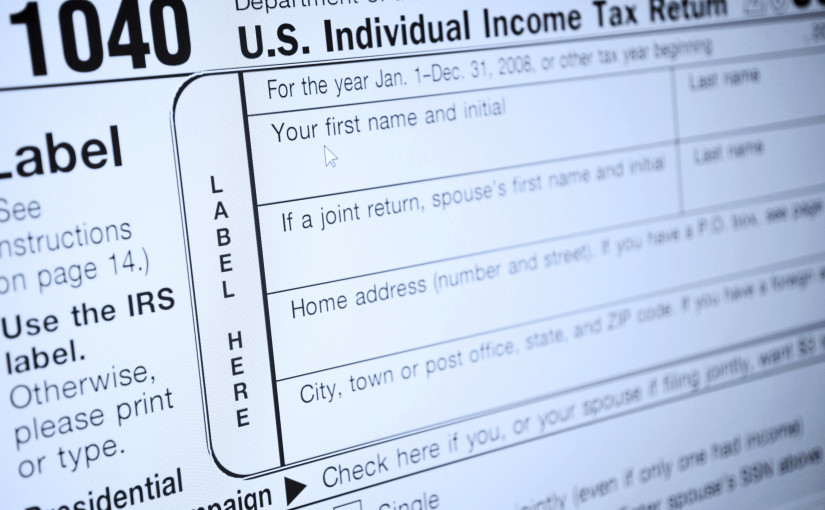
2020 was a wild year. Many collected unemployment, received government stimulus checks, and worked from home, which brings a multitude of questions as tax filing season approaches. Tara Siegel Barnard for the New York Times offers answers to the most pressing tax inquiries and shares tips on how to save money. From teachers to retirees to charitable giving and student loans, she covers the bulk of current issues when filing your return. How the Pandemic Has Changed Your Taxes Need more help? Contact Debra at 512 484 8016.

Make the Best of Black Friday

Want to get the best deals and save the most money on Black Friday?  Elissa Sanci for Smarter Living, The New York Times offers tips and shopping best practices in her article: 5 Things to Avoid on Black Friday
Black Friday is a money- and time-sucking vortex. Here’s what not to do this year.
  She highlights her list with entertaining anecdotes of those who fell victim to the seemingly needed purchases and makes recommendations for how to avoid these pitfalls.

Flash in the Pan

When you hear the word Start-up, what do you think of?  Lots of venture capital raised quickly to create showy products that cater to a niche market? Almost daily we see the demise of these companies in the news and the reality of the “Fail Fast” model.  But this is not true for all start-ups, such as Evernote which opened in 2004. The company is currently facing the harsh reality of two options: slow death or a complete makeover. Erin Griffith for the New York Times offers a detailed look at Evernote as an example of a long standing, 15 years, start-up in her article, A Unicorn Lost in the Valley, Evernote Blows Up the ‘Fail Fast’ Gospel.

To Buy or Not To Buy

How closely do you monitor your personal spending?  Are you worried that every cup of coffee may break the bank?  Tim Hererra for the New York Times has some great advice and encouragement for you.  Check out his article, Here’s Some Money Advice: Just Buy the Coffee, and for more budgeting with “big picture” finance tips try their  7-day Money Challenge.

Hurry Up and Do Nothing

In our current state of technology overload and the expectations of busyness, we’ve seemingly forgotten our need for quiet and calm.  New studies are showing that our bodies need this time to rest, reconnect, and even become more creative.  The New York Times article, The Case for Doing Nothing recommends finding the state of “Niksen,” a Dutch word meaning to do nothing.  Keeping our bodies in motion and our brains occupied may feel productive but often leads to exhaustion and a reduced capacity to work efficiently.  Turns out that we actually need extreme down time, or as they say in the article, boredom.  Give it a try!  Take an afternoon to sit and daydream, go to the park and people watch, sit on the couch and imagine, then see how you feel afterward.