 How closely do you monitor your personal spending? Are you worried that every cup of coffee may break the bank? Tim Hererra for the New York Times has some great advice and encouragement for you. Check out his article, Here’s Some Money Advice: Just Buy the Coffee, and for more budgeting with “big picture” finance tips try their 7-day Money Challenge.
Hurry Up and Do Nothing
 In our current state of technology overload and the expectations of busyness, we’ve seemingly forgotten our need for quiet and calm. New studies are showing that our bodies need this time to rest, reconnect, and even become more creative. The New York Times article, The Case for Doing Nothing recommends finding the state of “Niksen,” a Dutch word meaning to do nothing. Keeping our bodies in motion and our brains occupied may feel productive but often leads to exhaustion and a reduced capacity to work efficiently. Turns out that we actually need extreme down time, or as they say in the article, boredom. Give it a try! Take an afternoon to sit and daydream, go to the park and people watch, sit on the couch and imagine, then see how you feel afterward.
Go Paperless!
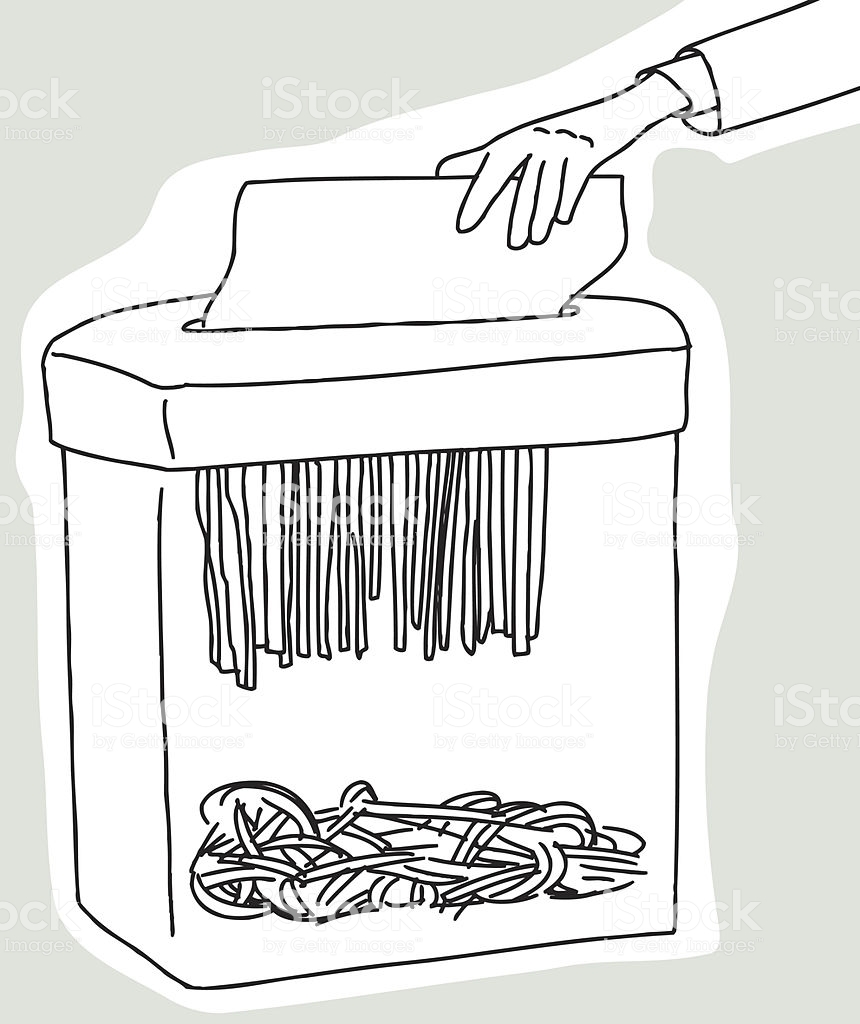
Ready to lose the piles, folders, and filing cabinets in your home office? Now’s the time! Wirecutter recommends the Scanbot Pro Ap for Android and IOS to begin saving your paper files onto your phone and home computer. One exciting feature is text recognition that will allow you to search for any word within each document. Wirecutter also offers a list of shredders for when you no longer need the paper files, How to Go Paperless With Your Home Office. Organizing these files into a specific folder and backing them up onto a thumb drive or other external hard drive is the final, important step. They assure that you will be amazed during tax season when all of your documents are accessible at the touch of a button.
Go Tax Paperless
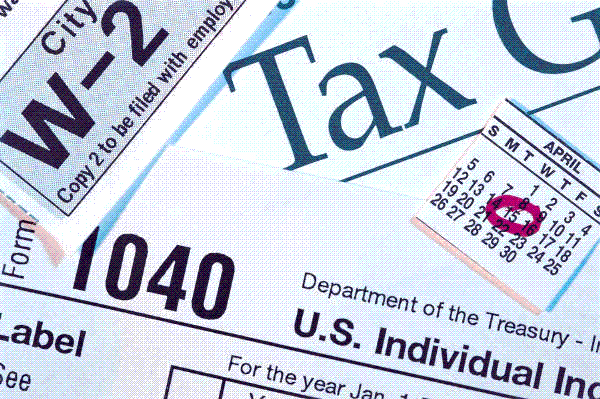 Ready to ditch your file cabinet? Explore going paperless with your tax documents. A great start is organizing your files using a document scanner. Many of these have wifi capabilities and function as part of your at-home network. Shredding old paper documents helps protect against identity theft.
Once your scanning is complete, create one file on your computer to hold these documents. Be sure to back-up your documents in more than one place, such as on a flash drive, external drive, or a personal cloud. Experts suggest keeping these files for up to seven years. Make collecting this information easy by tracking receipts and invoices with simple budgeting apps and watch the clutter in your home office disappear. Want to learn more? Click here: How to Go Paperless in Your Home Office
Keeping Your Budget Organized
 What tools do you use for your personal budgeting? Ever wonder if you are saving enough to last through retirement or if you have the money for a trip you’ve been wanting to take? What about teaching your children the value of a dollar and how to save, delay gratification when they see an item they want?
Tara Siegel Bernard, a personal finance reporter for the New York Times explains her preferred method of saving and recommends a variety of Aps that may help you on your journey to better money management.
Among her suggestions, Mint, You Need a Budget, and PiggyBot (for kids). Read more here: Spending Is as Easy as Pushing a Button. The Hard Part? Keeping Track.
How The Younger Set Lives
 Millennials are getting the raw end of the deal. Both state and national policies tend to favor the older and more affluent. Medicare costs often outweigh money paid in taxes by those who benefit, and programs that support higher education have been cut, leaving students with more debt. The millennials of our country have flat incomes and wealth is down.
What can be done about this issue? How do we insure financial safety for the youngest members of the workforce? Not to be left behind, many of this set are finding their way into politics. Maybe this will be the answer?
New Year’s Resolution: Keep Track of Personal Finances
 It’s that time of year. When we consider how to improve our lives. Ever wanted to better understand and manage your personal finances? J.D. Biersdorfer for the New York Times offers these tips: The Easy (and Free) Way to Make a Budget Spreadsheet. She discusses a wide range of spreadsheet software and apps that will give you the “big picture” and may make managing your finances easier. After an initial time investment these programs offer the freedom to use on the go or when you have a moment. The prices make these tools available to all as well, ranging from free to about $70/year.
As American As…
 In this holiday season many families gather around traditional meals to celebrate. Sharing food that has cultural significance from recipes passed down through the generations. One fascinating aspect of the American landscape is the (across the board) popularity of Chinese food on Christmas Day. Lillian Li sheds light on this phenomenon in her article, Nothing Is More American Than Chinese Food on Christmas. She explores the history of cultural diversity during a time in American history of great segregation, all centered around the Chinese restaurant. During this time, many were open on Christmas because early immigrants from China were not Christian and saw no reason to miss a day of business. What started as a simple monetary decision has made Chinese food part the Christmas, American fabric.
Is It Worth Saving?
 Rural America is facing a severe decline in employment rates and population. As more families move to the city, these outlying areas are also experiencing an uptick in the traditionally urban problems of opioid addiction and crime. Eduardo Porter for the New York Times explores solutions to this growing issue in his article, The Hard Truths of Trying to ‘Save’ the Rural Economy. Policy makers have a host of ideas to solve this growing crisis but many fail to consider important variables such as extreme housing costs in prosperous cities.