 Proposed changes in the timeline for college financial aid offers will give students more time to weigh their options and make an informed choice about which school is the best fit. Starting this year, families can file FASFA (the Free Application for Federal Student Aid) as early as Oct. 1st. This gives students more time to compare the affordability of various schools and to gather information about their educational programs, leading to a more informed choice and a better college experience.
A Little Bird Told Me
 So it’s the dead of summer, at least here in Texas and not really anywhere near Easter but I thought we could all use a little #FridayFun in our lives.
Anyone else love Peeps candy? They were created by the Just Born company of Brooklyn in 1953 and have been an Easter delicacy ever since. Enjoy the Peeps trivia in this article from the AARP magazine, 11 Things You Didn’t Know About Peeps and don’t worry, if reading this makes you crave that soft, sugary treat, they sell them year round!
This Just In
Workers at the Bethlehem, PA plant where they make Peeps have walked off the job in protest of a proposed change from a pension plan to a 401K. Might want to get your Peeps sooner rather than later. Although, the company is reportedly hiring replacement workers to keep production up and running.
‘No pension, no Peeps:’ Strike threatens holiday candy supplies
Stock Photography Profits to the Photographer
 Imagine a site with amazing stock photos. Now imagine that the majority of the profits go directly to the photographers. That is exactly what Bruce Livingstone and Brianna Wettlaufer created not once, but twice. Previously they owned iStock which billed itself as “by creatives, for creatives.” This business was later acquired by Getty Photos. As the amount of royalties paid to photographers began to lessen, the team decided it was time to start again. Together they created Stocksy, where photographers are paid 50-75% of sales as well a 90% distribution of profits at the end of the year. Next time you need a stunning stock photos, give Stocksy a look.
A New Wrinkle in the Gig Economy: Workers Get Most of the Money
Long Term Care, Worth It Or Not?
 Long term care insurance is quickly losing its shine. In the 1990s these policies were sold in large numbers and seen as the best way to preserve your style of living as you aged. Since that time, premium rate increases due to high claim volumes and low lapse rates have made the plans much less affordable. Darla Mercado for CNBC examines when these policies may be right for you and what other ways you can plan for unexpected care needs in Less is more: The dilemma over long term care insurance.
Are Mobile Banking Apps Safe?
4 2% of mobile phone users feel that banking apps leave personal information in some way unsafe. This doesn’t appear to actually stop them from using the convenient, snap and post check depositing services that most offer. Amit Ashbel, a cybersecurity expert, in the article, From download to deposit, mobile banking only as safe as your app, identifies the following safety practices as integral to a secure network.
–Solid password policies for apps.
–Out-of-band authentication.
–Tiered authentication.
–Limited log-in attempts.
–Proper error handling.
He also advises users to read all the fine print. Next time you need to make a deposit, take a moment to see if your app is up to these security standards.
The IRS Always Sends A Bill First
 Recently there has been a rash of phone scams concerning taxes. Many people have paid money over the phone, believing that they would be in trouble with the US government if they did not. As a certified public accountant, I wanted to make sure you understand that the IRS will always send you a letter first. They do not make cold calls demanding money. Please read this article to better inform yourself about the scams currently in play, and remember that the IRS will not call you, they will send a bill.
No Cash? No Problem.
 How would you feel about this sign at your favorite restaurant? Going cashless is the latest tactic some businesses are employing in an attempt to streamline their process. Not all patrons are happy about this practice and some have been so vocal against it that stores have amended their policies. It’s a fascinating thought that we have made the full circle back to credit/debit cards.
Where a Suitcase Full of Cash Won’t Buy You Lunch
Use The Food You Have
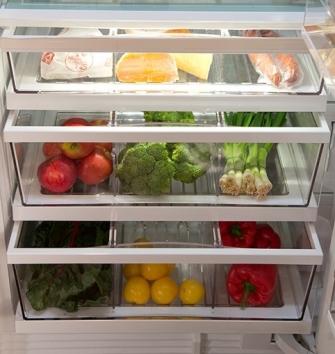 Ever feel convicted about wasting food when you clean out the refrigerator?
Then try the ideas offered in, Tips to Reduce Food Waste. Practices as simple as letting vegetables have room to breathe in the cripser drawer and using leftover seafoods and meats to make stock can greatly reduce the amount of food that spoils before it can be consumed. This article not only offers food saving alternatives but better ways to use all parts of fruits and vegetables, including recipes to try at home. Imagine the feeling of opening an empty fridge and knowing that you and your family ate everything that was in there leaving no waste.
Owning a Piece of The Dream?
 Grow up, get married, own land…
That’s been the American dream for ages. Owning a home or piece of property has always been viewed as a sign of wealth and as a good investment. What if that is no longer true? Robert J. Shiller for the Economic View section of the New York Times brings this idea to light in his article, Why Land and Homes Actually Tend to Be Disappointing Investments. Shiller points to many causes but one of the most intriguing is the decrease for demand of urban land, specifically home plots; with the development of micro-housing. A current trend that is changing the way many live in “downtown” areas. Where this movement will be in ten or even twenty years still remains to be seen, but if it goes the way Shiller predicts, the need for rural land will be so low that farmland may be converted back into wildlife preserves.
Buy Only What You’ll Use
 Give yourself time to think about every purchase. That’s what Carl Richards, for the New York Times suggests in his article, New Rule: All Purchases Subject to a 7-Day Mental Quarantine. We have a similar process in our house for purchases made at Goodwill. If you bring it home, you must clean it and incorporate it into your life within seven days or it goes back to Goodwill. In many ways, this compares to the seven-day item quarantine Carl’s family is currently using.
During the quarantine, the person desiring the object must answer the following questions: How much did it cost? Are you replacing something you already own? Why do you think it’s amazing? And if it’s food, are you sure you’ll eat it? Once the time limit has passed, it is much easier to make an ‘informed’ decision and not end up with something you’ll never wear, use or eat. Give it a try and let us know if it works for you in the comments.