 It’s time to start gathering forms and data for your 2020 tax returns, if you haven’t already. This time of year you may have many questions about your taxes, but one of the most important things to monitor is your withholding. Ever had a surprise tax bill that caused you financial hardship? The best way to avoid this is by checking your withholding every year. For more information on the right amount for you based on various factors, visit https://www.irs.gov/pub/irs-pdf/p5349.pdf and try their Withholding Estimator today! For all your other tax questions contact me, Debra Newby Watkins, CPA, 512 484 8016.
Tag: Federal Income Tax
It’s Tax Day, Hug Your CPA
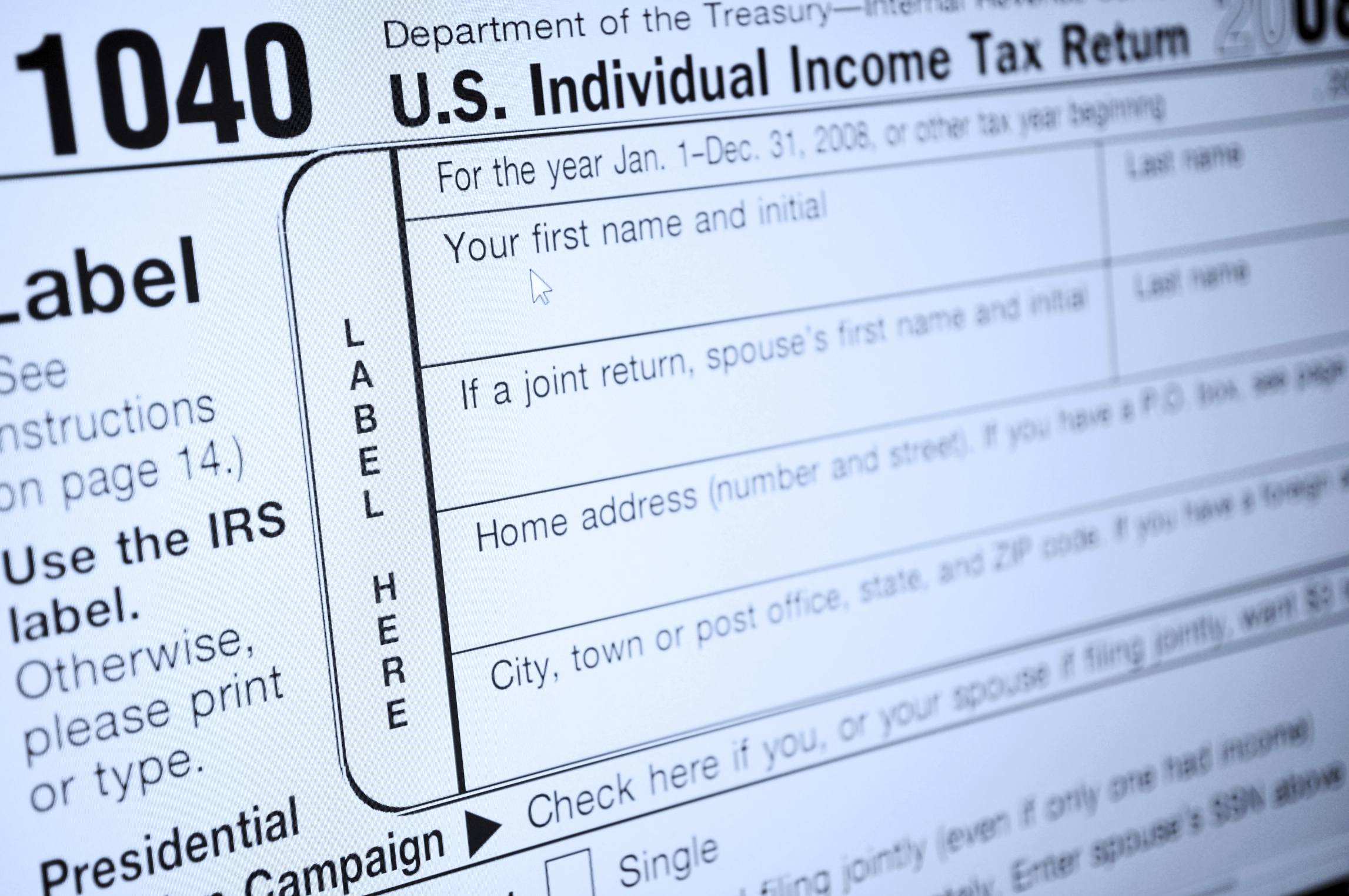 Today is one of the most stressful dates for many Americans. April 15th, Tax Day brings all kinds of worries for those who have waited to complete their tax forms and not sought the help of a CPA. On the other hand, accountants are just coming to the end of an extremely busy work season. Maureen Schwartz offers a humorous view of living with a CPA during this time and how best to care for them. Happy tax season and raise a glass to your and all CPAs in the US this monumental day! The 10 simple rules of caring for your CPA this busy season
IRS reveals start date for 2014 tax filing season
 The IRS has finally announced an official start date for the 2014 filing season: It will start accepting returns on Jan. 31. This date is 10 days later than the originally planned starting date of Jan. 21. “The late January opening gives us enough time to get things right with our programming, testing, and systems validation,” said Acting IRS Commissioner Danny Werfel in a press release. This process involves programming, testing, and deploying the more than 50 IRS systems that are needed to handle nearly 150 million tax returns.
Read more: Journal of Accountancy
Candy from Mexico, Sugar from Minnesota
 Candy maker, Kirk Vashaw, of Spangler Candy Company, the maker of Dum Dums lollipops states that he could pay no taxes (zero tax rate!) and have no regulations and would still not be able to compete with foreign producers of candy because of the Farm Bill’s price supports for sugar. This price support costs the company $15,000 per day. Hear Zoe Chace’s report for Planet Money. Read the Farm Bill.
The Heat is on Contract Labor

The Wall Street Journal reports that the IRS and the Department of Labor (DOL) are increasing the pressure on employers to properly classify their workers through payroll audits. A goal has been set to investigate 6,000 employers. The authors write:
The U.S. Treasury estimates that forcing employers to properly classify their workers—while tightening so-called “safe harbor” rules that provide them with leeway in determining who is and isn’t an employee—would yield $8.71 billion in added tax revenue over the next decade.
Taxable Scholarships
 Tax-Free Scholarships and Fellowships
- A scholarship or fellowship is tax free (excludable from gross income) only if you are a candidate for a degree at an eligible educational institution.
- A scholarship or fellowship is tax free only to the extent:
- It does not exceed your expenses;
- It is not designated or earmarked for other purposes (such as room and board), and does not require (by its terms) that it cannot be used for qualified education expenses; and
- It does not represent payment for teaching, research, or other services required as a condition for receiving the scholarship.
Taxable Scholarships and Fellowships
If and to the extent your scholarship or fellowship does not meet the requirements described earlier, it is taxable and must be included in gross income. You can use Worksheet 1–1, Taxable Scholarship and Fellowship Income (pg 6) to figure the tax-free and taxable parts of your scholarship or fellowship.
Who’s preparing your tax return?
H&R Block Loses Lawsuit Trying to Stop Intuit TV Ads
A federal court has denied H&R Block’s effort to stop Intuit from continuing to air a pair of TV commercials for TurboTax that comically suggested tax prep franchise employees worked as plumbers and clothing store clerks outside of tax season.
http://www.accountingtoday.com/news/HR-Block-Loses-Lawsuit-Trying-Stop-Intuit-TV-Ads-65495-1.html
Late filing due to forms update by IRS
 Here’s the list of forms that the IRS is updating that will delay the processing of your return this year. Note the new “like” and “share” buttons.
What is my total tax bill?

The American Institute of CPA’s has created a calculator that gives an idea of the total taxes, federal, state, and local, that we pay. TotalTaxInsights.org is brought to you by the American Institute of CPAs, a longtime advocate for sound tax policy, tax simplification and taxpayer education
IRS Loses Lawsuit Challenging Authority to Regulate Tax Preparers
 In a stunning blow to the Internal Revenue Service’s efforts to regulate the tax preparation profession, a federal judge struck down the IRS’s licensing requirements for tax preparers on Friday, including testing and continuing education.
Read more in Accounting Today.